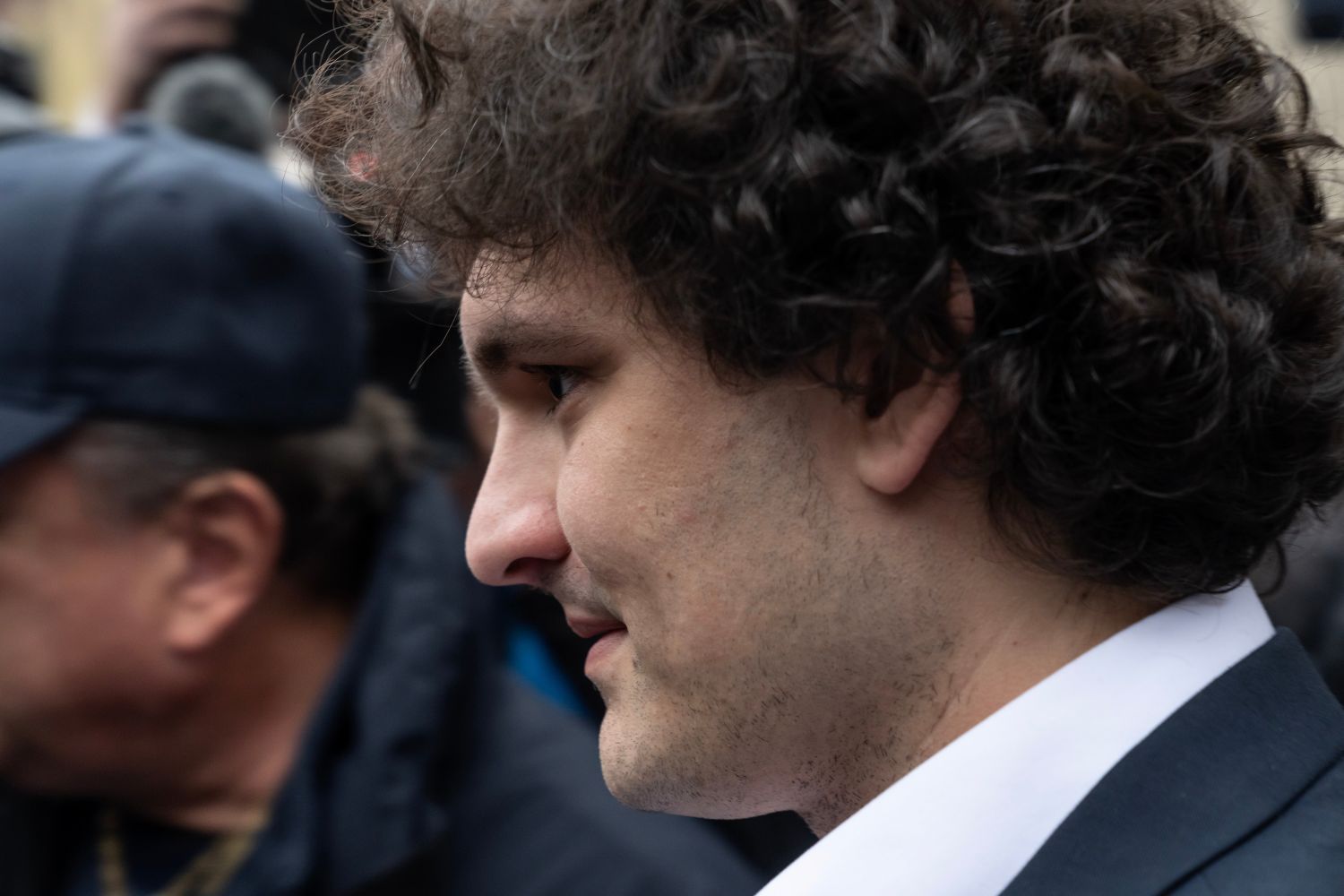
President Trump Denies Clemency to Sam Bankman-Fried: A Deep Dive into the Implications
On Thursday, President Donald Trump made headlines by announcing his decision not to grant clemency to Sam Bankman-Fried, the former CEO of the now-bankrupt cryptocurrency exchange FTX, who is currently serving a 25-year federal sentence for fraud and conspiracy. This denial has significant ramifications, particularly for the crypto market, which is still reeling from the fallout of Bankman-Fried’s actions. The move also quashes speculation surrounding potential political interventions that could alter the course of judicial penalties imposed on one of the most notorious figures in cryptocurrency history.
Bankman-Fried’s Conviction and the Speculation Surrounding Clemency
Bankman-Fried was convicted in March 2024 on multiple counts that stem from the alleged misappropriation of billions of dollars in customer funds at FTX. His downfall sent shockwaves through global cryptocurrency markets, igniting discussions about regulatory oversight and governance practices across exchanges. In the aftermath of his conviction, speculation emerged regarding the likelihood of a presidential pardon, with social media markets like Polymarket occasionally assigning low probabilities to such an outcome. However, Trump’s recent public statement makes it clear that he has no intention of lending his political weight to Bankman-Fried’s quest for mercy, thus removing a variable that could have fueled investor anxiety.
A Shift in Clemency Philosophy
Interestingly, while Trump has ruled out clemency for Bankman-Fried, his administration has pardoned other figures linked to the cryptocurrency world. In January 2025, he issued a full pardon to Ross Ulbricht, the notorious founder of the Silk Road darknet marketplace. Ulbricht’s operations were intricately tied to Bitcoin transactions, marking him as a controversial figure in the crypto space. Additionally, in October 2025, Trump granted clemency to Changpeng “CZ” Zhao, the former CEO of Binance, who had served a four-month prison term following anti-money-laundering violations. This contrast in clemency decisions raises questions about the criteria used by Trump’s administration when assessing cases from the cryptocurrency sphere.
Analyzing the Broader Political Context
Political observers have scrutinized the pardons granted during Trump’s presidency, particularly with regard to their potential ties to business relationships with the Trump family. Some critics described the pardons as politically charged, especially in light of Binance’s connections to several entities linked to Trump. Other crypto figures, such as former BitMEX CEO Arthur Hayes, also received clemency following penalties for various violations, suggesting a selective approach in dealing with cases in the industry.
Trump’s Stance on Cryptocurrency and Regulatory Issues
In a recent interview with The New York Times, Trump reiterated his support for the broader cryptocurrency sector, declaring, “I got a lot of votes because I backed crypto, and I got to like it.” This statement highlights his political alignment with the industry even as he opts not to intervene in particular criminal cases. Trump’s family and personal connections to cryptocurrency ventures, such as stakes in the Bitcoin mining firm American Bitcoin and the decentralized finance project World Liberty Financial, continue to fuel public debate about the potential for conflicts of interest.
Implications for Crypto Markets and Regulatory Landscape
The refusal to pardon Bankman-Fried significantly reduces the potential for political risks that could impact crypto markets in the short term. Analysts had previously noted that political tail risks, particularly the possibility of executive clemency, could amplify volatility in an already unstable digital asset landscape. With the clemency path closed, market participants will likely shift their focus to legal appeals and the judicial process as the primary determinants of Bankman-Fried’s future.
In the meantime, the wider regulatory environment remains a hot topic, with ongoing discussions about enforcement consistency and industry regulation gaining traction. Investors—both institutional and retail—are currently calibrating their exposure to news flows that might suggest shifts in policy or enforcement practices in the cryptocurrency space.
This focused overview of Trump’s decision regarding Sam Bankman-Fried illustrates the complex intersection of politics, law, and cryptocurrency that defines the current landscape. As these narratives unfold, they will undoubtedly shape the perceptions and actions of investors within this rapidly evolving industry.


